

Animation

Create expressive voices for animated shorts, recurring stories, and character dialogue with BreezeBlue. Design distinct character voices and direct emotion, pacing, whispers, and chuckles, so viewers recognize the cast and understand the relationships between them. Bring the story to more audiences with multilingual dialogue.

Crashing the Banquet

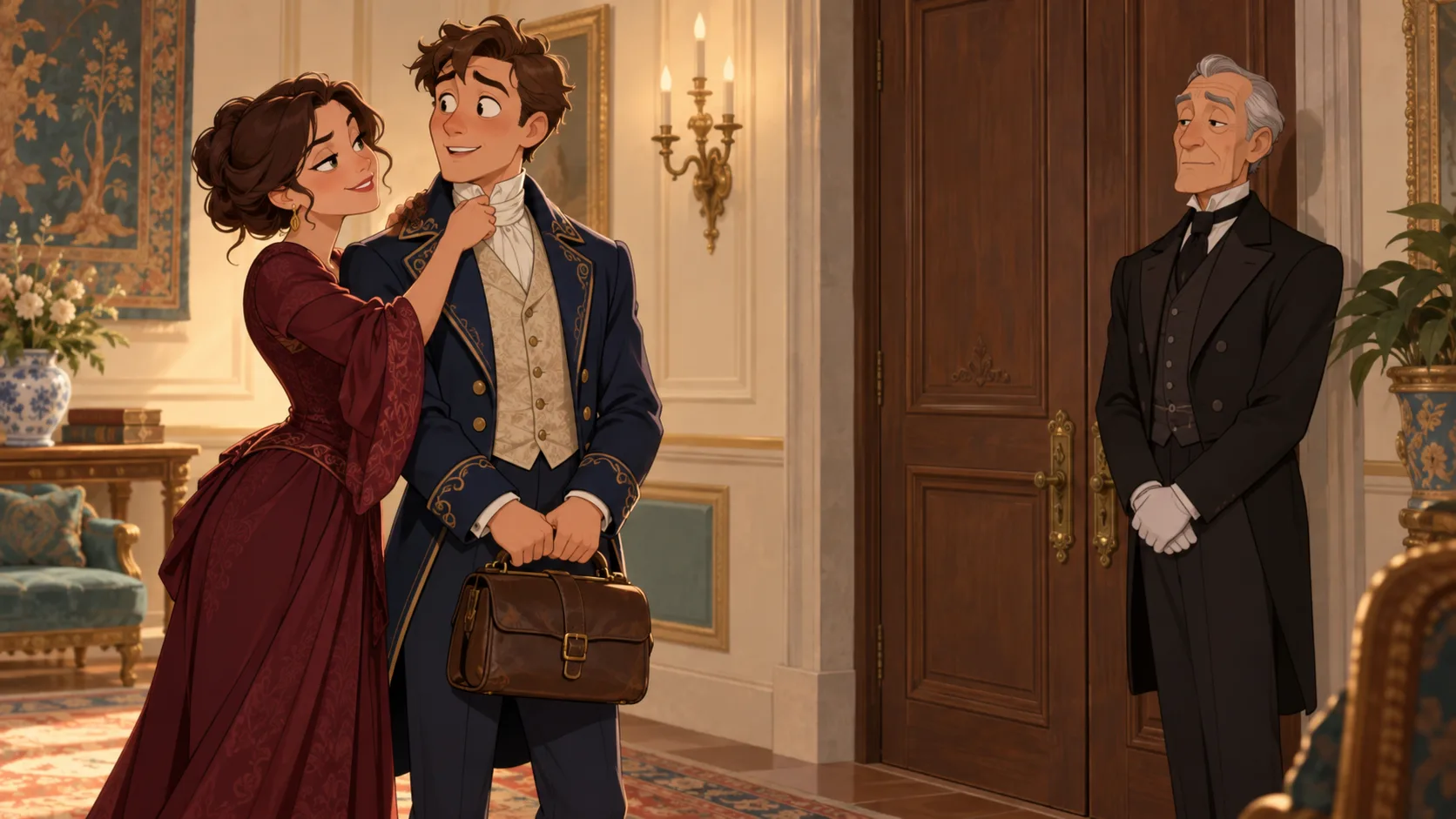
Nora and Finn dress as nobles to enter a banquet, but Finn still carries his tool bag. The butler mistakes them for the repair crew and leads them to a jammed door.

Nora adjusts Finn’s formal clothes while he carries a tool bag and the butler waits by the door.
01 / 04The disguise
Choose a scene
0:00 / 0:49
Scene dialogueAll 15 lines · play from any line

Give the cast a voice. Bring the story to life.

Design character voices, direct the dialogue, and use multilingual speech, whispers, and chuckles to make each scene reveal the characters and their relationships.

Voice Design

Design a distinct voice identity for every character

Describe age, register, texture, and speaking habits with Voice Design. A brisk companion, an open locksmith, and a measured butler each get an original voice that remains recognizable as the story changes.

Common challenges

  • Similar voices make dialogue hard to follow.
  • Casting for a passing emotion weakens a character’s identity.
  • Recasting each scene makes a character sound like a new actor.

With BreezeBlue

  • Design distinct registers, textures, and speaking habits from the character brief.
  • Establish a stable voice, then use direction to shape changing emotions.
  • Save the selected voices and reuse them for new lines and scenes.

Meet the cast

Meet the cast

Voice in the scene

Nora has covered for Finn’s tool bag and already sees another way forward. Her clear, brisk voice makes her the one who keeps this muddled entrance moving.

Wait a second. I have a better idea.

0:00 / 0:02

Instruction

Keep the character. Change the intention.

A promise can hide uncertainty, reassure a friend, or express real confidence. Describe the listener, situation, and intention, then direct emphasis, pauses, and emotion so the same words carry different meanings.

Common challenges

  • Labels such as happy or nervous miss the relationship in the scene.
  • The same line receives the same reading in every situation.
  • Changing emotion also changes the voice identity.

With BreezeBlue

  • Explain whom the character addresses and what they hope to convey or conceal.
  • Direct uncertainty, reassurance, or confidence for the moment.
  • Keep the character’s voice and shape this line with Voice Direction.

One line. Three performances.

One line. Three performances.

Direction in context

The butler has handed him a repair problem he cannot yet solve. Finn agrees while trying to hide how unsure he feels.

Of course. Leave it to me.

0:00 / 0:01

Multilingual

Keep character relationships clear across languages

Create multilingual dialogue that preserves the role, plot condition, and intention while adapting the wording naturally. The butler’s repair-for-dinner offer stays courteous and clear in Chinese, English, Japanese, and Korean.

Common challenges

  • Literal translation keeps words but loses conversational rhythm.
  • A new language changes the courtesy or relationship between characters.
  • Subtitles alone make the spoken exchange inaccessible to some viewers.

With BreezeBlue

  • Generate dialogue from naturally adapted scripts in the target language.
  • Carry the character’s role and intended delivery into each version.
  • Use multilingual speech to make the condition and promise audible in the dialogue.

The dinner offer

The dinner offer

The butler’s offer · English

The butler calmly offers dinner seats in return for the repair, giving equal weight to the condition and the promise.

Fix the door, and I'll make sure you both have a seat at dinner.

0:00 / 0:03

Audio Tags

Add the vocal details inside the line

A whisper keeps a warning private; a throat-clear covers embarrassment; a sigh or chuckle changes what follows. Place Audio Tags within the text to make these turns part of the performance.

Common challenges

  • A private warning sounds like speech to the whole room.
  • Embarrassment or relief appears only in written stage directions.
  • A vocal action interrupts the wrong word or thought.

With BreezeBlue

  • Use a whisper tag to make the reminder belong to the companion alone.
  • Add a motivated throat-clear, sigh, or chuckle to the dialogue.
  • Place the tag where the action supports the intention and the next line.

Inside the performance

Inside the performance

Voice in the scene

Nora sets up Finn’s duke disguise aloud, then lowers the warning about locks so only he will hear it.

Tonight, you're a duke—(whispers) don't crouch down every time you see a lock.

0:00 / 0:03

Frequently Asked Questions

Character voices, dialogue direction, and multilingual versions

Can I create original character voices without actor recordings?

Use Voice Design to describe the character’s age, register, texture, and speaking habits. Audition a real line, select a voice for each role, and save it for later dialogue so the cast remains recognizable.

Can the same character give one line different meanings?

Keep the voice and describe whom the character addresses, the situation, and what they want to convey or conceal. The same promise can become an uncertain bluff, a private reassurance, or a confident response once the character sees a solution.

How do I add whispers, sighs, and other vocal actions?

Place Audio Tags at the relevant positions within the text. Motivate each action with the scene: a whisper for a private warning, a throat-clear for embarrassment, or a chuckle for relief. Audition it with the surrounding lines.

Can I make multilingual versions of animated dialogue?

Generate speech for scripts in Chinese, English, Japanese, Korean, and other supported languages. Preserve the relationships, plot information, and intention, then adapt the wording and direct the delivery naturally. The butler’s offer, for example, keeps both the repair condition and the promise of two dinner seats.

How do I keep the cast consistent when dialogue changes?

Save the character voices and reuse them for new lines. Update the wording and direction of the relevant line with the same speaker, then listen in dialogue order to keep voice identity, emotional turns, and pauses connected.

Let your animated cast speak its way into the story.

Establish each voice, direct the turning points within each line, then hear how the whole exchange holds together.